We study the relationship between language, thought, and social cognition through the lens of cognitive science. Some of our key research questions are:
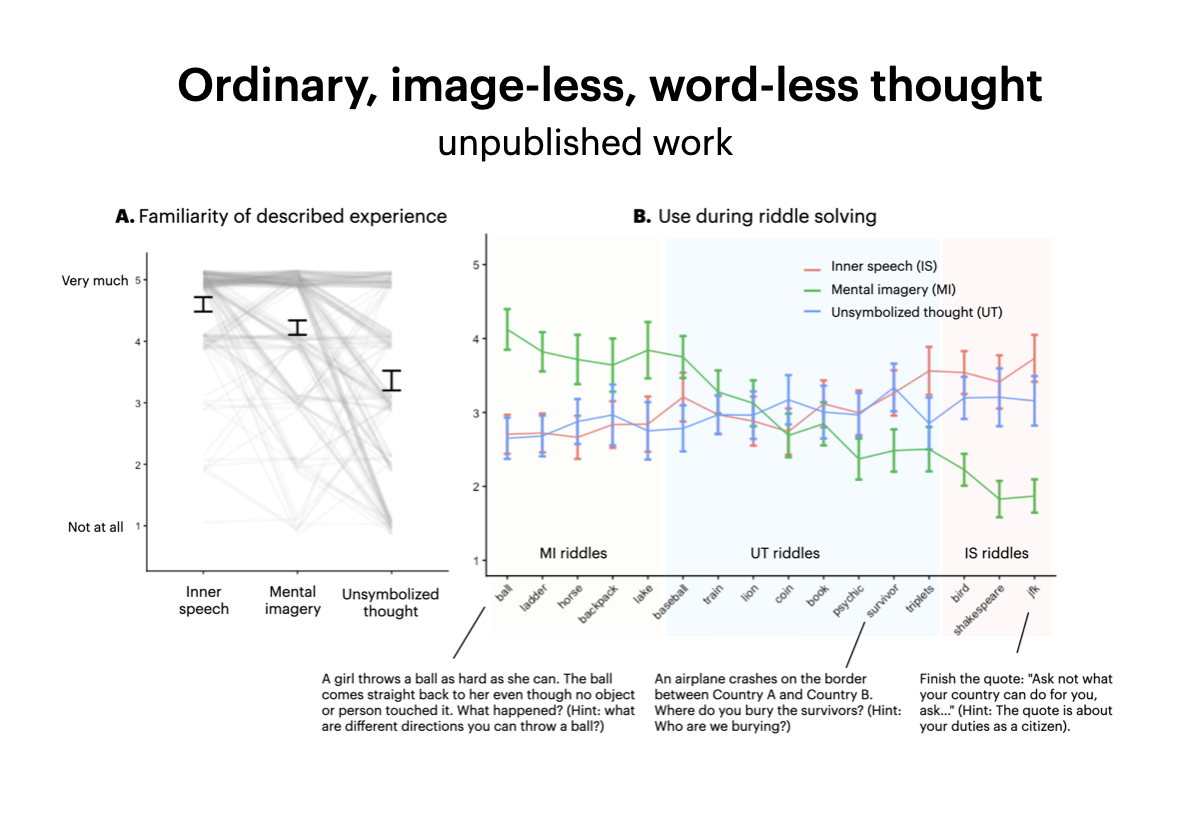
- How do we articulate our thoughts to ourselves?
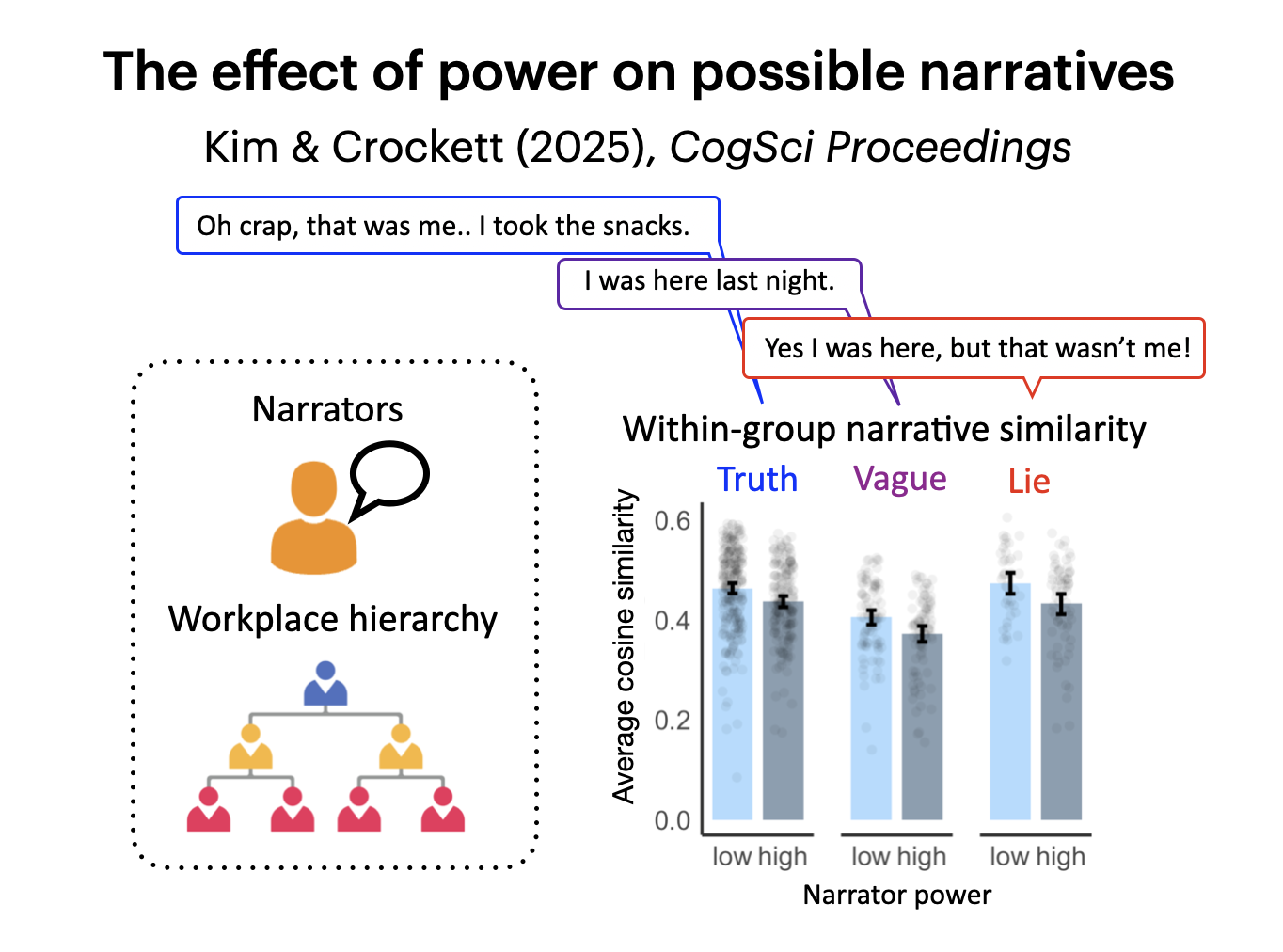
- How do we communicate our thoughts to other people?
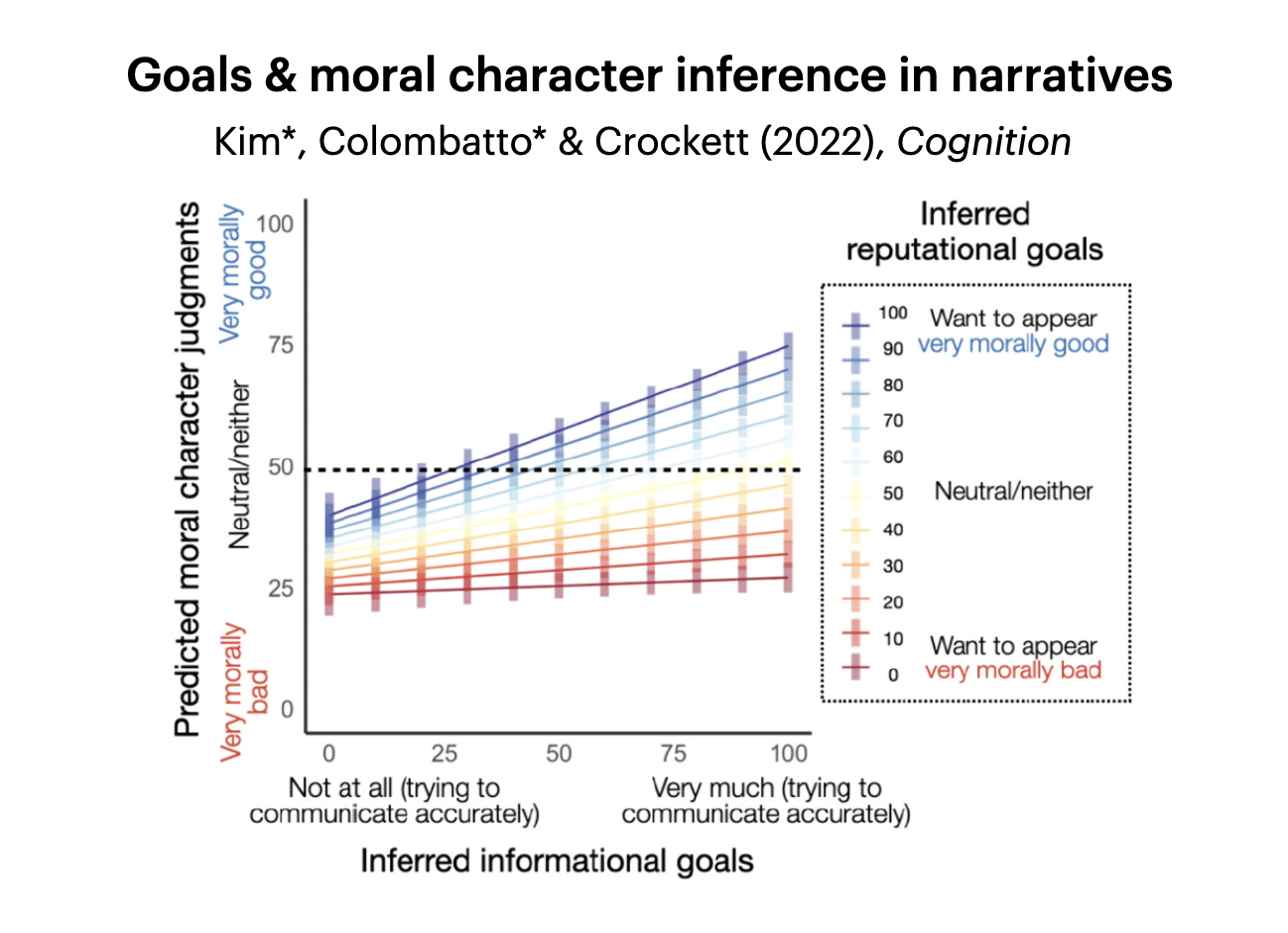
- How do we make sense of what other people say?
- When, where, and with whom do we communicate?
- When does communication lead to conceptual and belief change?
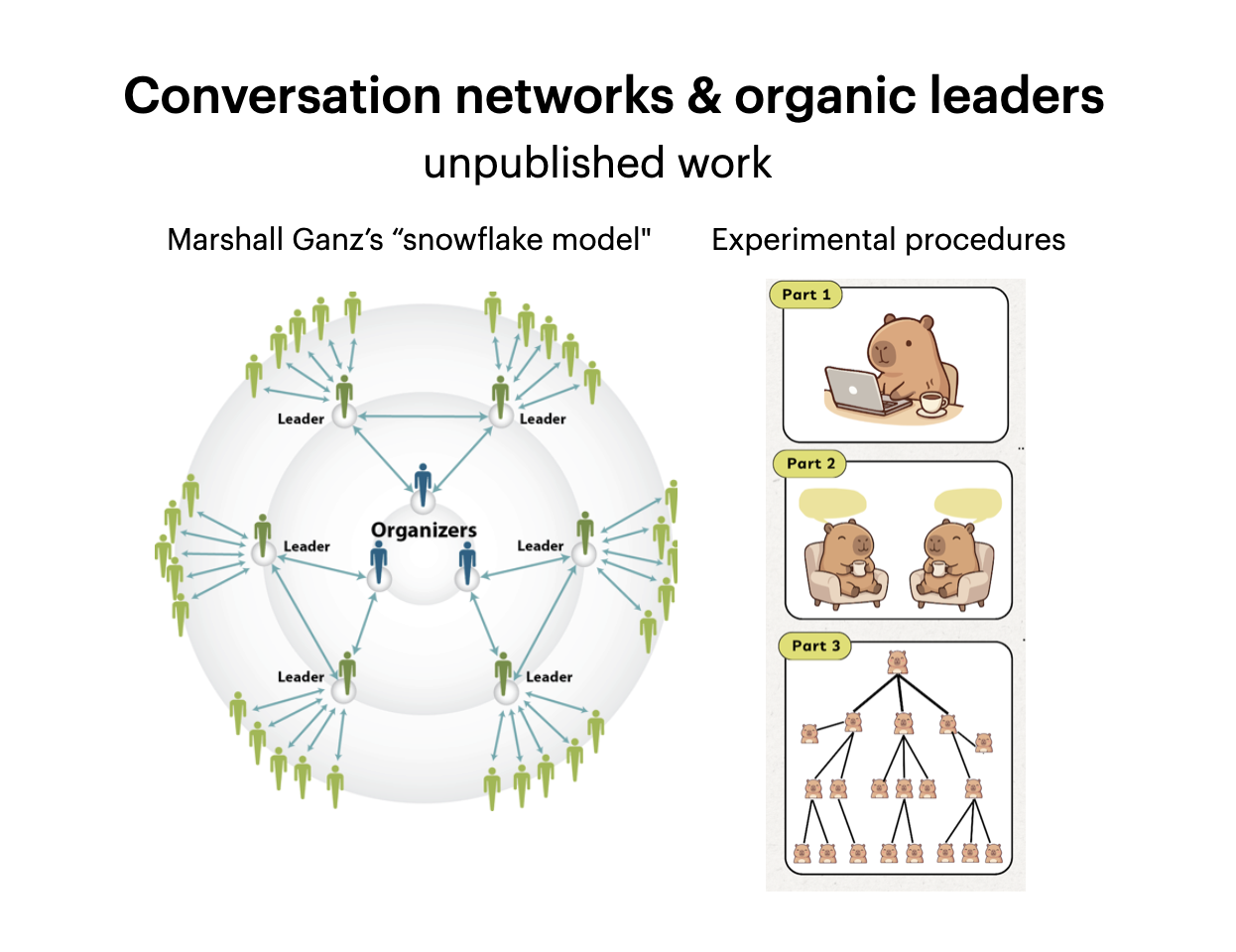
- How does knowledge spread through communicative networks?
- What role does communication play in communities and relationships?
Our lab primarily uses large-scale behavioral experiments with adults (online and in-lab). We are currently focused on expanding our work to include community-based participatory research (CBPR) methods. But our past projects have drawn on a wide range of approaches, and we actively welcome interdisciplinary collaborations—for example, using fMRI, computational modeling, developmental methods, or clinical populations.
Interdisciplinary work is a core priority for our lab. In addition to cognitive and social psychology, our research integrates perspectives from linguistics (pragmatics and psycholinguistics), philosophy (philosophy of mind and social epistemology), and, more recently, political science and sociology—particularly in projects on social movements, collective action, and democracy.
Here's a list of current and past projects, with key questions and representative papers. The most recent projects are listed first.